Service
Tree Pruning in Doncaster
Crown reductions, thinning and lifting to bring light back and keep trees healthy and in proportion.
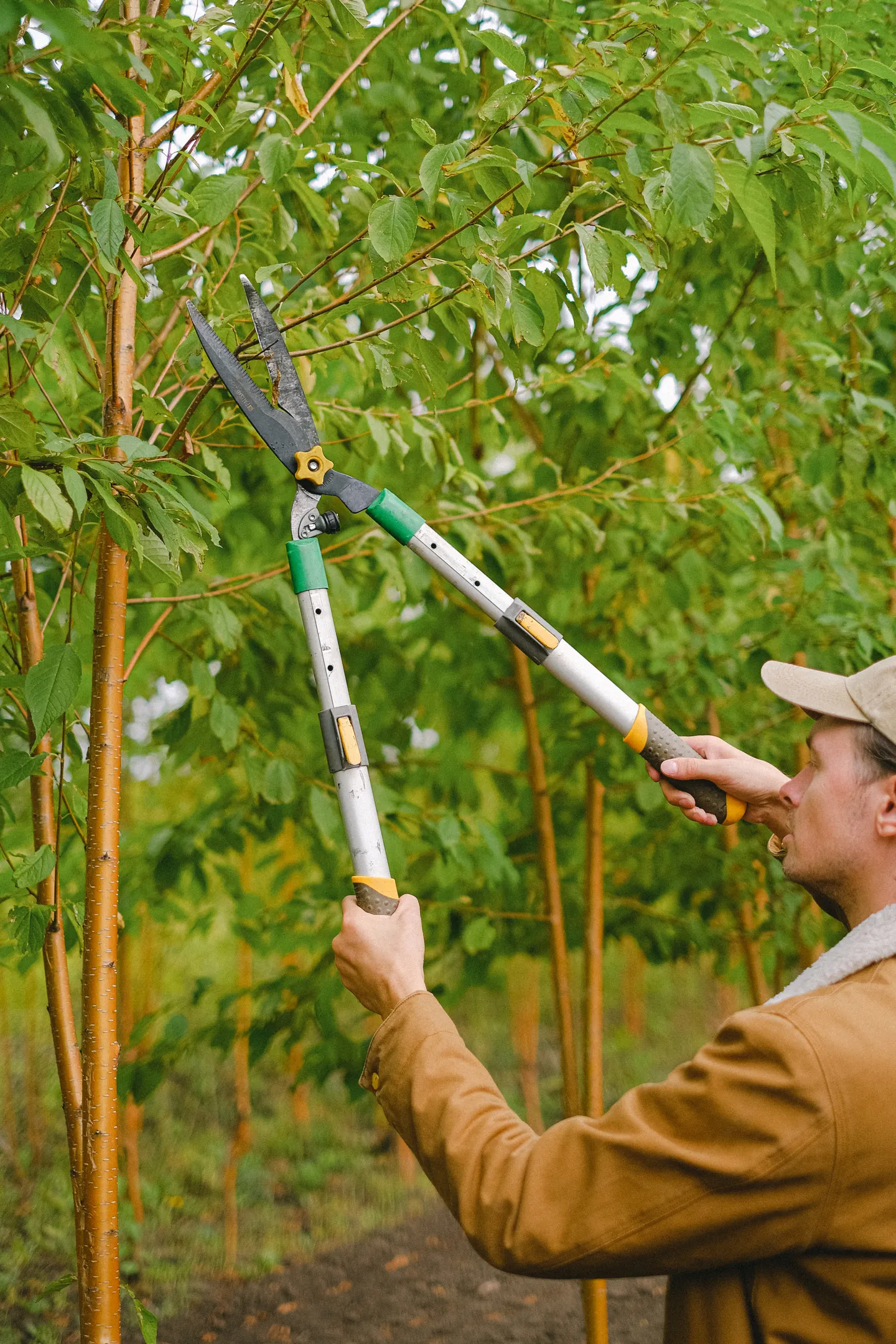
Most trees do not need to go. They need shaping. Good pruning lets light back into the garden, takes weight off long limbs and keeps a tree healthy for years, without leaving it looking butchered.
Signs it might be time
- The garden or house has become dark and damp
- Branches overhanging roofs, gutters or the neighbour
- Limbs rubbing on wires, sheds or each other
- Deadwood in the crown
- Low branches catching people or vehicles
How we approach it
- 1
Agree the shape
We talk through what you want: more light, less height, clearance over a roof or simply a tidy-up.
- 2
Choose the right cuts
Reduction, thinning, lifting or deadwooding, chosen to suit the species and the time of year.
- 3
Careful climbing work
Branches are cut back to suitable growth points and lowered where needed to protect what is below.
- 4
Leave it tidy
Arisings are cleared and the garden is left as we found it, just lighter.
Worth knowing
Timing matters for some species and for nesting birds. Disturbing an active nest is an offence, so we may suggest the best window for your tree.
Common questions
Can I cut back branches overhanging from next door?
Generally you can cut back to the boundary, but it is courteous to talk to your neighbour first, and protected trees still need consent.
When is the best time to prune?
It depends on the species. Many trees are fine in late autumn and winter; some are better in summer. We will advise.
Tree Pruning near you
Areas where tree pruning is a particularly common request. We cover all 36 areas.
- Tree Pruning in Doncaster
- Tree Pruning in Armthorpe
- Tree Pruning in Bessacarr
- Tree Pruning in Sprotbrough
- Tree Pruning in Tickhill
- Tree Pruning in Bawtry
- Tree Pruning in Rossington
- Tree Pruning in Edenthorpe
- Tree Pruning in Kirk Sandall
- Tree Pruning in Barnby Dun
- Tree Pruning in Thorne
- Tree Pruning in Stainforth
- Tree Pruning in Dunsville
- Tree Pruning in Finningley
- Tree Pruning in Branton
- Tree Pruning in Wadworth
- Tree Pruning in Loversall
- Tree Pruning in Balby
- Tree Pruning in Warmsworth
- Tree Pruning in Conisbrough
- Tree Pruning in Mexborough
- Tree Pruning in Adwick le Street
- Tree Pruning in Woodlands
- Tree Pruning in Skellow
- Tree Pruning in Campsall
- Tree Pruning in Askern
- All areas
Ask about tree pruning
A phone call is usually the quickest way to arrange a visit and a quote. If we miss you, leave a message and we will ring back.